Monthly Archives: April 2020

Stop grinding your teeth!

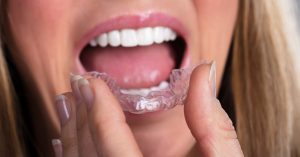
NightguardGrinding your teeth during sleep is kind of a sleep disorder. Also called bruxism, it can happen at any age.

Children sometimes do it as their teeth are changing from their primary to their permanent ones. Some people just get a wear spot, but in more serious cases, you might grind right through the enamel to the pulp.

The best prevention is a hard, plastic mouth guard created by your dentist. It will discourage grinding and protect the surface of your teeth.

https://www.menshealth.com/health/a30930576/grinding-teeth-at-night/
Teeth: The strongest structures in your body

tooth enamel

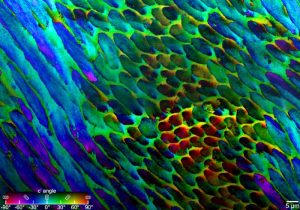
A microscopic view of tooth enamel

Did you know your teeth are harder than bones? In fact, they are harder than steel.

Tooth enamel is unique in that it has to last our entire lifetime. The mineralisation process that produces tooth enamel creates an incredibly tough substance that is even harder than steel.

New research reveals a never-before-seen mechanism for crack deflection that helps make its exceptional resilience possible.

Read more at https://www.sciencealert.com/new-discovery-reveals-the-hidden-secret-of-how-teeth-can-last-your-entire-life

Can people really pick up radio waves on their braces or fillings?

Do you wear metal braces or have metal fillings in your teeth? The closer you are to a large AM transmitter, the more likely you are to hear music in your mouth.

When AM transmitters were common in big cities, it was an everyday occurrence for people living near them to hear the station on their toasters, from their light bulbs, and even from things like a metal spoon resting in a metal cup. If you’re picking up radio, your dentist can change the size of the filling or the length of wire in your braces to solve the problem.

https://www.theglobeandmail.com/opinion/brace-yourself-for-some-news-on-the-radio/article6122691/

Why are our teeth so sensitive to pain?

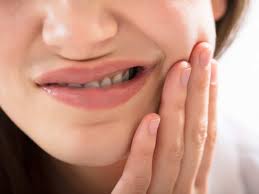
tooth painAccording to Live Science, sensitivity is a defense mechanism we’ve developed to protect damaged teeth from further injury. Teeth have three layers, only one of which — the innermost layer or “pulp” tooth — has blood vessels and nerves.
Learn more about tooth pain at https://www.livescience.com/why-teeth-feel-pain.html

Protect your teeth with 7 tips, including brushing with light, gentle motion every day, using an electric toothpaste for better cleaning, seeing your local dentist regularly, using a straw for drinks, and wearing a night guard if you grind your teeth.

Find tips at https://www.mentalfloss.com/article/76352/7-tips-healthier-teeth